in the internet age, choosing the right server is crucial for enterprises and individual users. especially for application scenarios that require high protection, american high defense servers are widely welcomed for their excellent attack prevention capabilities. however, the rational use of high-defense servers can not only improve security, but also effectively avoid complaints. this article will explore some practical tips and suggestions.
the main function of high-defense servers is to protect against ddos attacks and other cyber threats. understanding these basic features is the first step in using a high defense server. high-defense servers usually provide multi-level security protection, including traffic cleaning, ip shielding and other functions. when configuring the server, users should make full use of these features to ensure that the server is in the best protection state, thereby reducing the risk of attacks.
when choosing a high defense server, users should choose the appropriate configuration according to their business needs. several factors including bandwidth, storage and processing power should be taken into account. too low configurations can cause servers to crash during high traffic times, while too high configurations can cause unnecessary expenses. it is recommended that users conduct a comprehensive evaluation when choosing to ensure that the selected configuration can effectively support business operations and have certain stress resistance.
the network environment is changing rapidly, and it is particularly important to regularly update the security policy of servers. users should regularly check and update firewall rules, intrusion detection systems and other security measures to deal with emerging security threats. in addition, keeping the latest version of the software and system can fix known vulnerabilities and further enhance the server's protection capabilities. these measures can effectively reduce complaints caused by safety issues.
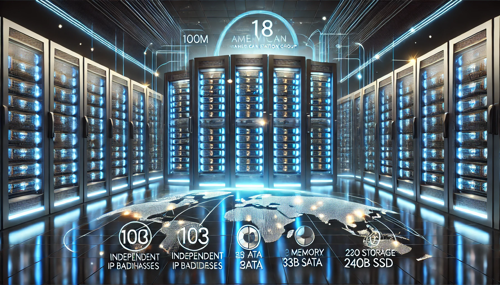
real-time monitoring of the operating status of the server is an important means to ensure its normal operation. through monitoring tools, users can promptly detect abnormal traffic or potential security threats and take corresponding measures. monitoring not only helps maintain server stability, but also responds quickly when problems occur, reducing the impact on user services, thereby reducing the possibility of complaints.
the stability of the server is important, but the content and user experience of the website cannot be ignored. optimizing website content, improving loading speed and user experience can effectively reduce user complaints. therefore, users are advised to regularly review the website content and optimize their structure and design to attract and retain visitors. at the same time, a good user experience can also reduce complaints caused by website failure.
establishing an effective customer feedback mechanism will help you understand user needs and problems in a timely manner. users can put forward opinions and suggestions through feedback channels to effectively improve services. regular analysis of user feedback can help companies discover potential problems and solve them in a timely manner, further improve user satisfaction and reduce the occurrence of complaints.
when using a u.s. high-defense server, understanding its basic functions, choosing appropriate configurations, regularly updating security policies, monitoring server status, optimizing website content and establishing customer feedback mechanisms are all key measures to prevent complaints. through these tips and suggestions, users can not only improve the security of the server, but also gain an advantage in the fierce market competition. i hope this article can provide you with practical references to help you use high defense servers safely and efficiently.
- Latest articles
- Cloud Singapore Server Selection Guide Meets Global Deployment Needs From Bandwidth To Availability Zone
- A Must-read Cloud Server For Newbies: Vietnam’s Billing Model And Selection List
- Full Process Guide For Purchasing And Performance Optimization Of VPS With Japanese Native IP
- An Explanation Of Vietnam’s Native Residential IP Pool Management And IP Rotation Strategies From The Perspective Of A Service Provider
- When Selecting Locations For Cloud Service Implementation, Consider Network Latency And Bandwidth Conditions In Computer Rooms In India And Germany.
- How To Buy A US VPS With Bitcoin While Protecting Anonymity And Compliance Risks
- Vps Cambodia Connection Domestic Access Speed Optimization And Node Selection Suggestions
- Main Points Of Fault Recovery And Multi-line Redundancy Design Of Hong Kong Telecom’s Direct-connected Computer Room
- Malaysia Vps Recommends Unlocking The Best Node And Configuration Guide For TikTok
- Step-by-step Implementation Of Korean Server And Chinese Email And Log Localization Settings
- Popular tags
-

Explore The Unique Shopping Experience At American Dress Group Online Shopping Site
explore the unique shopping experience of the american dress group online shopping site and learn about its convenience, variety and personalized service. -

Reasons Why You Should Choose Cn2 For Server Hosting In The United States
discuss the reasons for choosing cn2 for server hosting in the united states, and analyze its superiority, performance, stability and its importance in the global network. -

Overseas Deployment Guide Security Protection Practices For Servers Hosted In The United States
this article is an overseas deployment guide for security protection practices for hosting servers in the united states. it covers key measures such as compliance requirements, network boundaries, access control, encryption, logs, and backups. it is suitable for enterprise operation and maintenance teams and security leaders who want to host servers in the united states.